

FINDING THE RIGHT
Candidate Selection Process to Improve Hiring Outcomes
Hiring the right person starts well before the interview. Peoplogica provides organisations with the tools to evaluate every job applicant with greater clarity, using role benchmarking, structured assessment, and screening methods built into the recruitment and selection process.
Each candidate is measured across knowledge, abilities, behaviours, traits, and fit, so your team reaches the final hiring decision with real data behind it, not assumptions.
What Is Candidate Selection in the Recruitment Process?
At its core, candidate selection is about matching job applicants to the actual requirements of a role. That means going beyond what a resume shows and looking at skills, behaviours, and role-specific criteria that predict performance.
A properly structured recruitment selection process gives hiring teams a consistent, fair way to compare applicants. With Peoplogica supporting the process, your recruitment and selection process becomes repeatable and easier to manage, from the first screening step right through to final assessment.
Candidate Selection Process Across Hiring Stages
Hiring rarely fails at one single point. Weak results tend to come from gaps across multiple stages. An effective candidate selection process needs to hold up at every step, from the moment a role opens to the moment an offer is made.
Peoplogica supports the key hiring process steps with benchmarks, position descriptions, targeted job advertisements, interview guides, and assessment data designed to match the stages of the recruitment process your team already works through.
Role Benchmarking
Sets the standard for what the right candidate looks like before anyone applies.
Position Description
Build role descriptions that cover KPIs, activities, behaviours, and expectations, not just duties.
Applicant Screening
Use skills and knowledge indicators to shortlist candidates based on real knowledge and real potential.
First Interviews
Run structured interviews that give every hiring manager a consistent framework.
Candidate Assessment
Measure each candidate directly against the bespoke role benchmark before making the final hiring decision.
ROLE BENCHMARKING
Competency-Based Hiring to Define Job Success
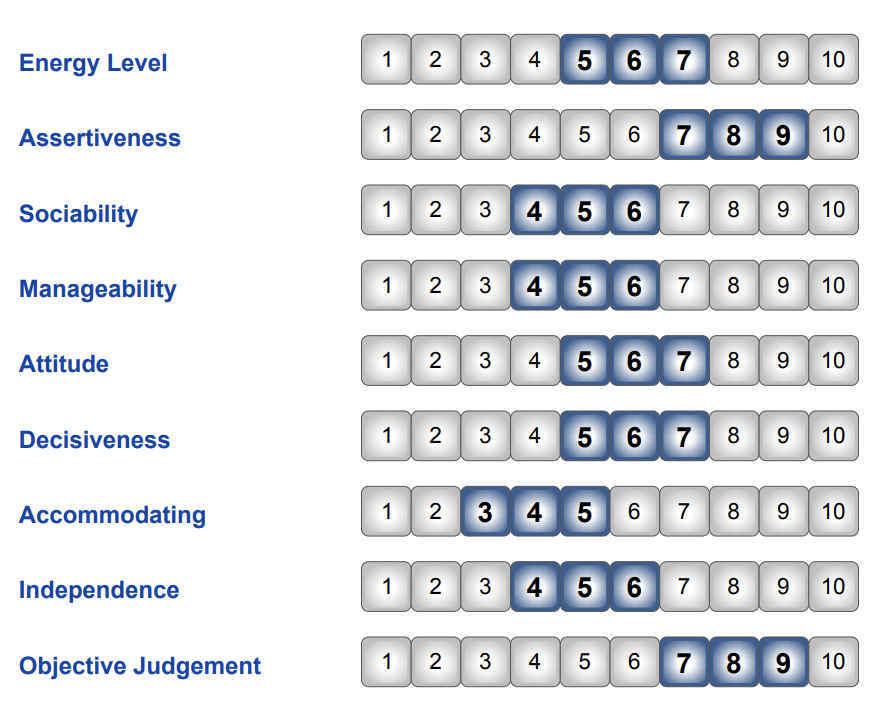
Most hiring problems start before the first application comes in. Without a clear definition of success, hiring teams end up comparing candidates against each other rather than against the critical success attributes of the role itself.
Peoplogica’s competency based hiring approach defines the cognitive abilities, behaviours, motivations, and traits that matter for each specific position. This gives your team a proper foundation for employee selection methods that hold up beyond the interview room, and lets you assess candidates against benchmarks built for that role, not generic standards.
POSITION DESCRIPTION
Job Description Best Practices for Better Hiring
A position description that only lists tasks will attract candidates who can describe the work, not necessarily do it well. Peoplogica helps create one-page position descriptions that include KPIs, weekly/monthly/quarterly activities, behavioural traits, leadership expectations, and role success factors alongside the standard duties.
Applying job description best practices at this stage makes the entire recruitment and selection process cleaner and clearer to everyone involved. Candidates understand what is expected. Hiring teams have a clearer basis for screening. And confusion during the process drops significantly.

APPLICANT SCREENING
Job Applicant Screening to Identify Top Talent
Volume hiring creates a specific problem: too many applications, not enough time to look past the surface. A polished resume or AI-written profile can move a candidate forward who is not actually suited for the role.
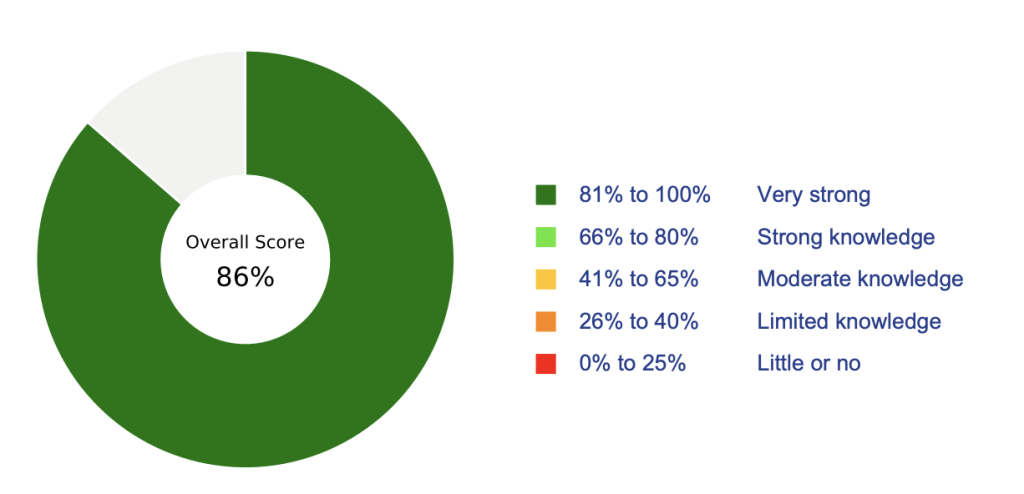
Peoplogica’s job applicant screening tools use over 500 test modules through PeoplogicaSkills, filtering candidates based on actual knowledge, abilities, and potential. This keeps your recruitment workflow focused and gives hiring teams a fair and consistent basis for shortlisting, regardless of how many people apply.
FIRST INTERVIEWS
Structured Interview Process for Consistent Hiring Decisions
Unstructured interviews produce inconsistent results. Two candidates can leave the same interview with very different assessments depending on who asked what. A structured interview process removes that variability.
Peoplogica provides interview guides that give every hiring manager the same framework, better questions, and a consistent way to compare candidates. This reduces bias, strengthens decision quality, and helps teams identify stronger hires from the very first conversation.

CANDIDATE ASSESSMENT
Candidate Evaluation Process for Smarter Selection Decisions
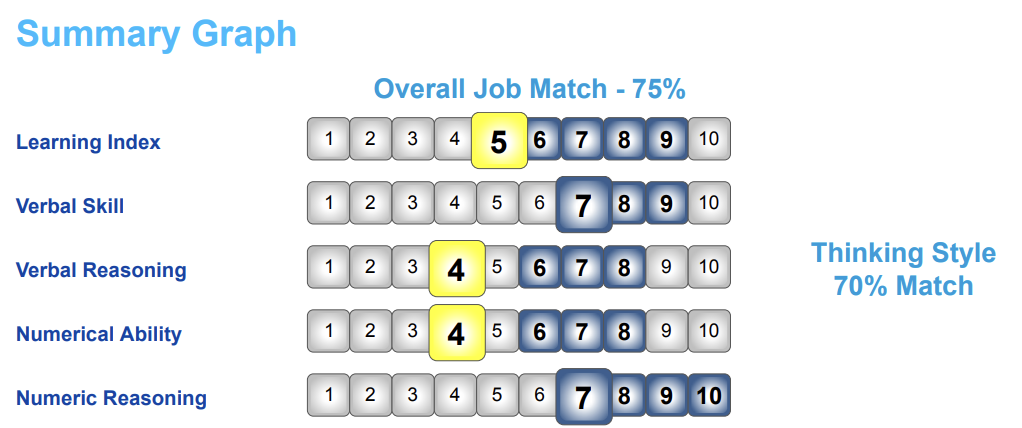
The final stage of the candidate evaluation process should confirm the decision, not create doubt. Peoplogica’s JobFit assessments measure each candidate against the role benchmark, surfacing strengths, development areas, areas of alignment, gaps, and red flags that might not be uncovered in an interview.
When the candidate selection process includes this level of structured assessment data, organisations make more confident hiring decisions and see measurable improvement in selection success rates.
Why an Effective Candidate Selection Process Matters
Filling a role quickly is not the same as filling it well. The cost of a poor hire shows up later, in performance gaps, early turnover, and the time spent repeating the sub-standard process. Peoplogica supports a data-driven hiring process designed to reduce that risk at every stage.
When hiring decisions fail after a strong interview, the cause is usually one of three things: the role was not defined clearly enough, the screening was inconsistent and based on gut-feel, or the team leaned too hard on resumes rather than structured assessment data. These are the problems Peoplogica was built to solve.
Improve Hiring Accuracy
Assess every shortlisted candidate against role benchmarks, relevant skills, and behavioural success factors tied to actual performance.
Reduce Hiring Mistakes
Surface poor-fit candidates before the final stages, rather than after an offer has been made.
Support Modern Hiring Decisions
Structured tools and assessment data give hiring teams a more defensible, consistent basis for modern hiring decisions.
Speed Up Recruitment Workflow
Clearer candidate data means faster shortlisting, fewer second-guess moments, and more consistent decision-making across the team.
FAQs on Candidate Selection
How to improve candidate selection?
Improving candidate selection comes down to adding structure at every stage. Clear role benchmarks, skills testing, structured interviews, and assessment data all work together to reduce guesswork and help hiring teams compare candidates on consistent criteria rather than impressions.
What is the best way to select candidates?
The most reliable approach combines role benchmarking, job applicant screening, structured interviews, and candidate assessments. Together, these give a fuller picture of each applicant’s skills, behaviours, and actual fit for the role.
What is a data-driven hiring process?
A data-driven hiring process replaces subjective opinions with structured and objective evidence. Assessment results, skills data, and behavioral insights are used alongside evaluation methods that can be applied consistently across all candidates, which helps reduce bias and improve hiring accuracy.
Why do hiring decisions fail?
Most hiring decisions that fail do so because the role was not defined clearly before recruitment started, the screening process was too informal, or the final decision rested too heavily on interview impressions and gut-feel. A structured candidate selection process addresses each of those gaps directly.
How to reduce hiring mistakes?
Start by defining what success looks like for the role. Then screen properly, use a structured interview process, and assess candidates against job-specific requirements before any final decision is made. Each step reduces the chance of selecting someone based on incomplete information.
What are the stages of recruitment process?
The main stages of recruitment process run from role definition and job description creation through applicant screening, interviewing, candidate assessment, and final evaluation before selection is confirmed.
Why do hiring decisions fail?
Hiring decisions fail when teams place too much weight on resumes, interview impressions, or role descriptions that were never clearly defined. Building a structured candidate selection process with role benchmarks, screening tools, structured interviews, and assessment data reduces that risk significantly.